

The Naloxone Project
Colorado Chapter
The Colorado Chapter of The Naloxone Project was founded in Denver in 2021 and serves as the organization’s home chapter. Since its founding, the chapter has grown into a statewide leader in overdose prevention through healthcare-based distribution, prehospital response, community access, and policy and legislative engagement. The chapter’s work is centered around two major initiatives—the Colorado Healthcare Initiative and the Colorado Prehospital Addiction Care Consortium (CPACC)—along with broader efforts to strengthen overdose prevention policy and systems across Colorado.
In addition to direct program implementation, the Colorado Chapter engages in legislative and policy efforts to strengthen overdose prevention across the state. The chapter works with policymakers, healthcare organizations, public health partners, and community stakeholders to advance policies that expand access to naloxone, support evidence-based overdose prevention strategies, and reduce systemic barriers to care and treatment. This work allows the chapter to address both the immediate needs of people at risk of overdose and the broader policies and systems that shape access to lifesaving services.
72,487
Naloxone Kits Distributed
6,455
Total People Trained
Programs & InitiativesEmergency Departments Program
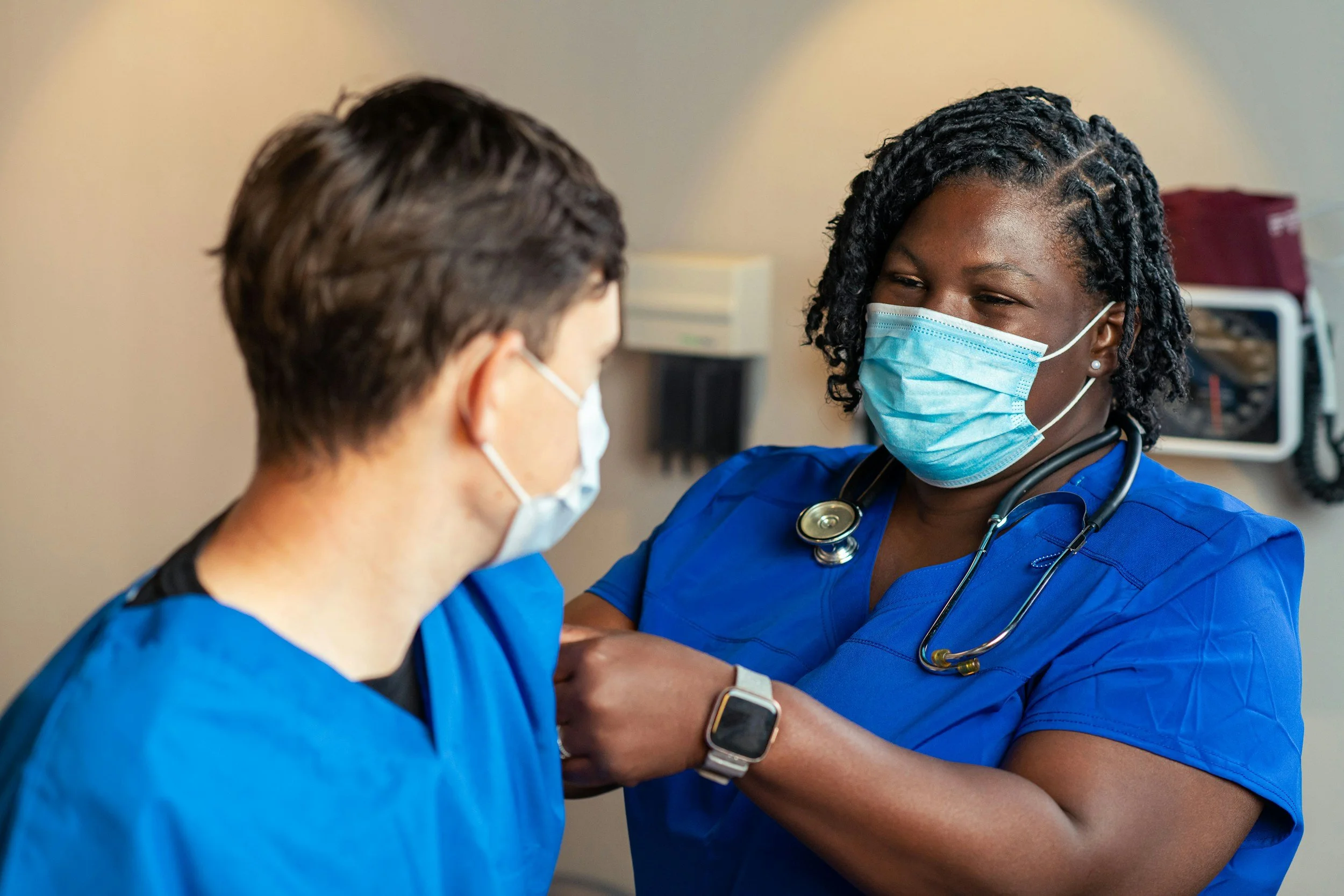
The Colorado Healthcare Initiative operates across 100 emergency departments and 110 outpatient clinics throughout Colorado. The initiative partners with healthcare systems to integrate overdose education and take-home naloxone into clinical care, helping reduce systemic barriers for patients at risk of overdose and their families. By equipping clinical teams with training, resources, and lifesaving medication, the initiative creates opportunities to connect people with overdose prevention and other supportive services at critical points of contact within the healthcare system.

Programs & InitiativesMaternal Overdose
Matters Initiative
The chapter has also expanded its work into maternal and neonatal care, with 50 labor and delivery units on board, including initiatives focused on pregnant and postpartum individuals and its first NICU pilot.
Programs & InitiativesPrehospital Addiction
Care Consortium
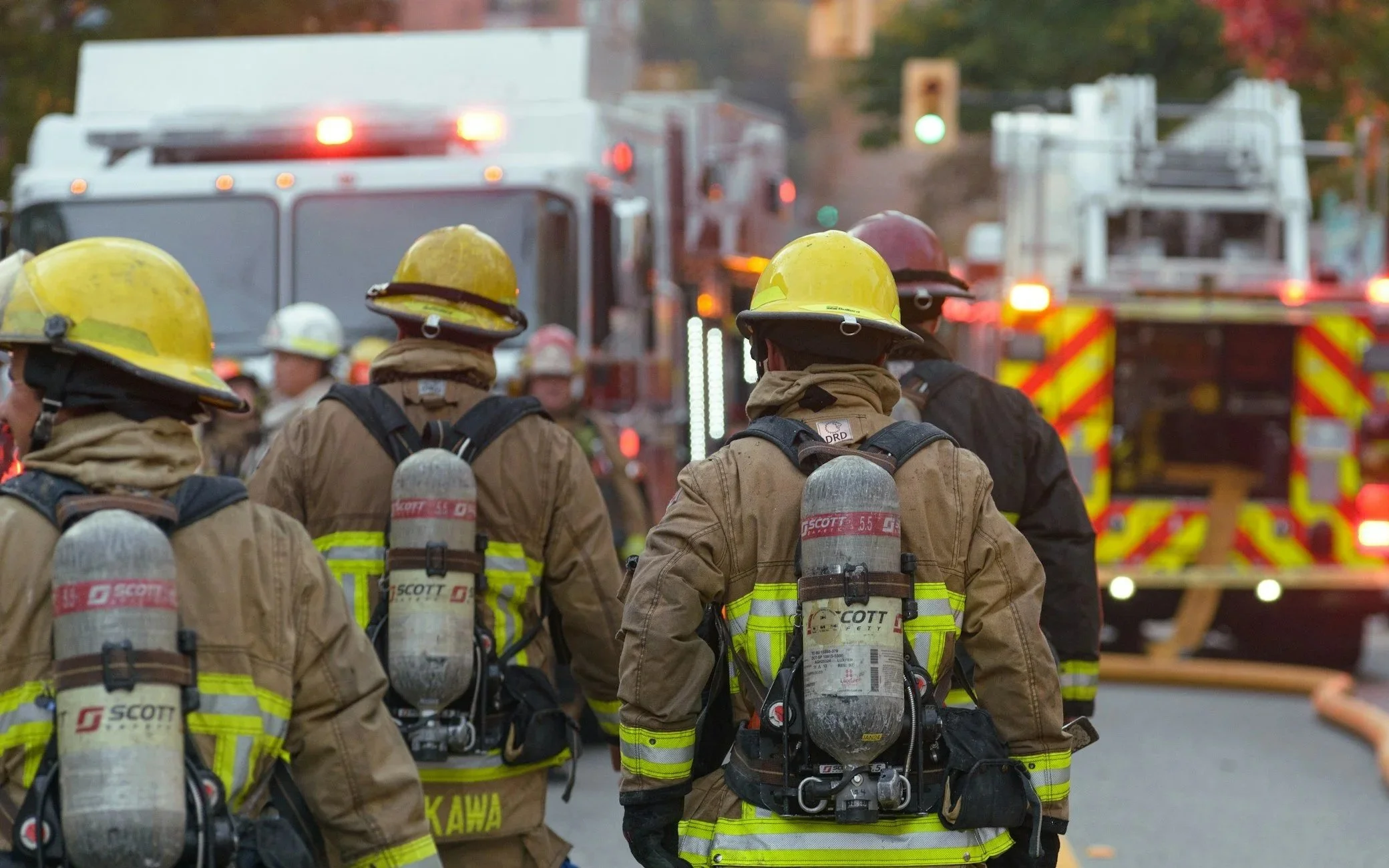
The Colorado Prehospital Addiction Care Consortium (CPACC) brings together first responder agencies, law enforcement, hospitals, clinics, and community organizations to strengthen the continuum of overdose response and care. CPACC equips first responder agencies with leave-behind naloxone, allowing responders to provide lifesaving medication directly to individuals at risk of overdose and their families while connecting them with community resources and treatment. In 2025, CPACC launched Colorado’s first prehospital buprenorphine induction program, enabling three first responder agencies to initiate medication for opioid use disorder in the field and connect individuals to ongoing care and referral networks. CPACC also expanded low-barrier community access to naloxone through public vending machines across Colorado.

Programs & InitiativesOutpatient Clinics Program
Our program has reached a diverse range of 160 clinics in the state, spanning pediatric, primary care, orthopedics, behavioral health, dental, and OBGYN specialties. We are proud to announce that we have already distributed over 9,000 doses of naloxone to these clinics, with many of them initiating patient distribution.
What Colorado
has Accomplished
Together, these efforts allow the Colorado Chapter to address overdose prevention across multiple systems and critical points of contact—from emergency and outpatient healthcare to maternal and neonatal care, first response, community settings, and state policy. By integrating naloxone access, overdose education, treatment connections, and policy change into these systems, the chapter works to make overdose prevention more accessible, sustainable, and integrated across Colorado.
The Colorado Chapter has grown into a statewide network working across healthcare, emergency response, maternal and neonatal health, rural communities, and public policy. Its approach centers on integrating lifesaving resources into the systems and settings where people already receive care and support.
A key strength of the chapter is its ability to bring together healthcare providers, first responders, public health agencies, community organizations, policymakers, and people with lived experience to identify gaps and develop practical, sustainable solutions. As the home chapter of The Naloxone Project, Colorado has also served as a hub for developing and piloting innovative approaches that have informed the organization’s broader model, including healthcare-based naloxone distribution, maternal and neonatal overdose prevention, prehospital treatment initiation, first responder leave-behind programs, and low-barrier community naloxone access. The chapter continues to evolve its work in response to the changing needs of Colorado communities.
-
The first chapter of The Naloxone Project launched in Denver, Colorado, expanding access to naloxone through healthcare settings. TNP began building relationships with hospitals, healthcare providers, and community partners, laying the foundation for a healthcare-based naloxone distribution model.
-
The Naloxone Project launched the Maternal Overdose Matters (MOMs) initiative, making Colorado the first state chapter to implement the program.
TNP expanded its focus on overdose prevention for pregnant and postpartum individuals and began strengthening partnerships with labor and delivery and other maternal health settings.
The organization also continued expanding its hospital partnerships and developing systems for sustainable, no-cost take-home naloxone distribution through healthcare.
-
TNP expanded its healthcare network to 107 enrolled hospitals and launched its outpatient clinic program, extending healthcare-based naloxone distribution beyond hospital settings.
The organization also launched the Colorado Prehospital Addiction Care Consortium (CPACC), expanding overdose prevention beyond healthcare facilities and into prehospital and first responder settings.
CPACC established partnerships with first responder agencies to provide leave-behind naloxone and connect individuals at risk of overdose and their families with lifesaving resources and community support.
-
The Colorado Chapter significantly expanded its statewide overdose prevention infrastructure and strengthened its healthcare and first responder programs.
The Outpatient Clinic Program grew from 42 to more than 150 enrolled clinics, distributing more than 4,500 naloxone doses and expanding access across urban, rural, and frontier communities.
The chapter also launched a Surgical Pilot Program at Swedish Medical Center and Denver Health, integrating naloxone into surgical discharge planning. T
hrough CPACC, the chapter trained more than 3,000 first responders, distributed more than 600 naloxone kits, and expanded partnerships to 20 first responder agencies across Colorado.
The Maternal Overdose Matters (MOMs) Initiative also grew substantially, distributing more than 2,250 naloxone kits through participating labor and delivery units and reaching an estimated 80% of at-risk patients.
-
The Colorado Chapter expanded its statewide overdose prevention efforts across healthcare, first response, community, rural, and school settings.
The chapter launched public naloxone vending machines, creating additional low-barrier access to lifesaving medication throughout Colorado, and launched Colorado’s first prehospital buprenorphine induction program through CPACC, allowing first responder agencies to initiate treatment in the field and connect individuals to ongoing care.
Within healthcare, the Colorado Chapter launched its first NICU pilot, expanding its perinatal overdose prevention work into neonatal care and supporting families affected by substance use.
The Colorado Chapter received a Health Resources and Services Administration (HRSA) Rural Communities Opioid Response Program (RCORP) grant to implement focused overdose prevention efforts in rural Colorado, expanding access to naloxone, education, and related resources in rural healthcare settings.
Partners of the Colorado Chapter
-
![]()
Colorado Opioid Abatement Council
-
![]()
Colorado Attorney General
-
![]()
Denver Department of Public Health and Environment
-
![]()
Colorado Behavioral Health Administration
-
![]()
Health Resources and Services Administration
-
![]()
Boulder County Public Health
-
![]()
Southeast Colorado Opioid Region 19

Colorado Leadership
Do you live in Colorado?