

The Naloxone Project
Massachusetts Chapter
The Massachusetts Chapter of The Naloxone Project is committed to expanding access to naloxone and ensuring that people at risk of overdose can obtain this lifesaving medication in healthcare, educational, and community settings. We seek to serve as a statewide hub for naloxone-related education, research, innovation, and policy development, bringing together clinicians, students, researchers, community organizations, and public-sector partners to identify gaps and develop practical solutions.
1,000+
High School Students Trained
8,384
Opioid Related ED Visits in 2025
Programs & InitiativesEmergency Department Program
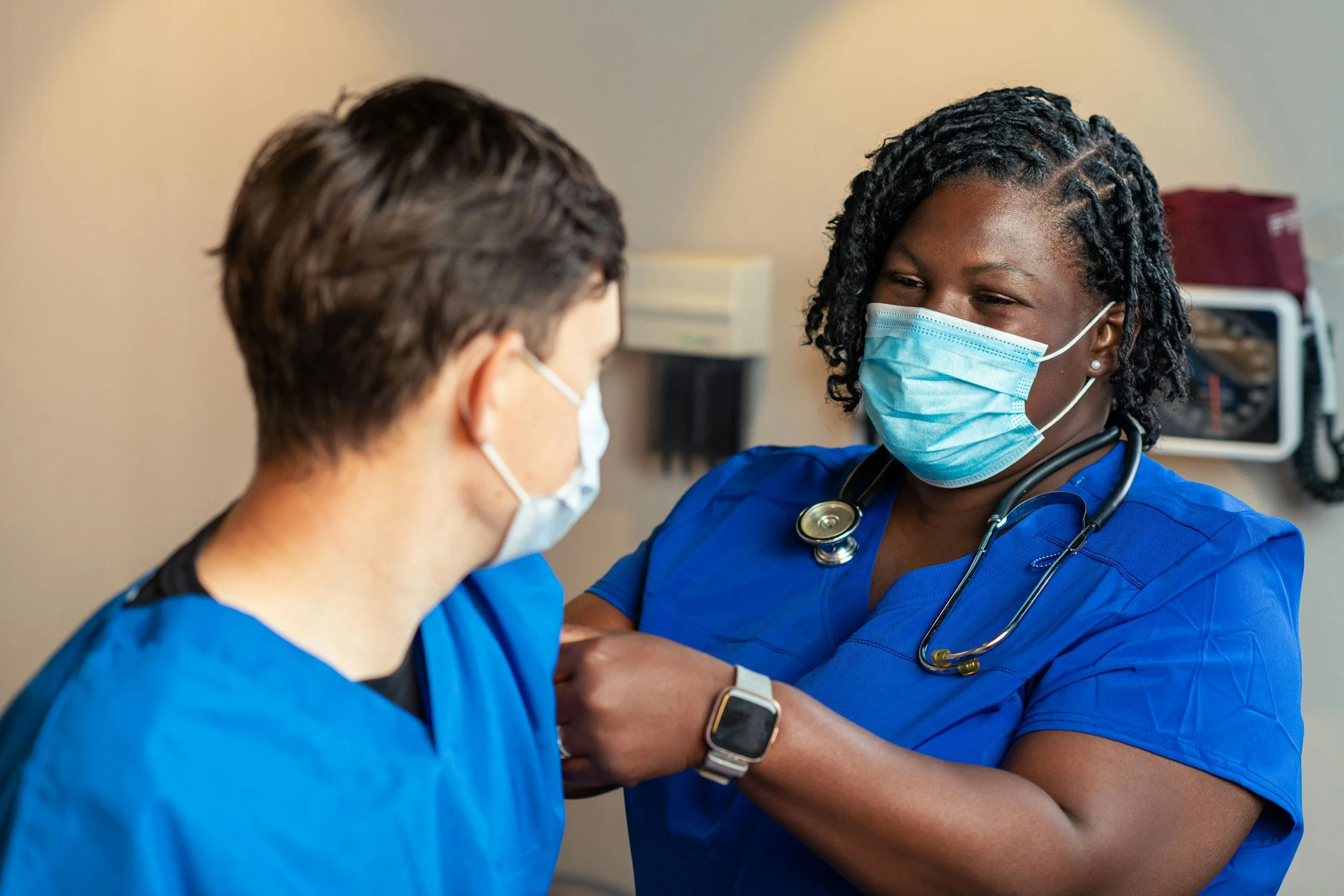
This chapter surveyed emergency departments across the Commonwealth to identify gaps in take-home naloxone availability and subsequently supplied naloxone to several emergency departments that had not previously been able to provide it.

Programs & InitiativesRESPONSE
A major focus of our work is educating high school-aged students to recognize the signs of an overdose, understand the role of naloxone, and respond effectively in an emergency. We work closely with students and faculty at Harvard University and Northeastern University, as well as collaborators at the Stepping Strong Center for Trauma Innovation at Brigham and Women’s Hospital, to develop, deliver, evaluate, and expand these educational initiatives across the Commonwealth.

Programs & InitiativesLegislative Advocacy & Action
We also work to influence naloxone-related policy in Massachusetts. Our efforts have included developing models to reduce the cost of naloxone through bulk purchasing and authoring proposed legislation to require overdose recognition and naloxone education in high schools. In parallel, we are implementing and evaluating a variety of public-access naloxone programs designed to make naloxone readily available in locations where it may be urgently needed.
What Massachusetts
has Accomplished
Through all of this chapter’s activities, we aim not only to increase naloxone availability but also to generate evidence, test innovative approaches, and translate successful programs into sustainable policy and practice.
-
The Massachusetts Chapter of The Naloxone Project was founded in 2023.
During its first year, the chapter surveyed emergency departments across the Commonwealth to identify gaps in take-home naloxone availability and subsequently shipped naloxone to several emergency departments that had not previously been able to provide it.
-
Working with a Harvard T.H. Chan School of Public Health MPH practicum student, the chapter developed a model to facilitate bulk purchasing of naloxone and reduce costs for community organizations. This work helped inform legislation introduced in Massachusetts to expand affordable access to naloxone.
-
The chapter trained more than 1,000 high school students across Massachusetts to recognize the signs of an opioid overdose and understand how naloxone can save lives.
We also authored legislation that was introduced in Massachusetts to require overdose recognition and naloxone education in high schools across the Commonwealth.
-
The chapter hosted a TNP-sponsored research study in Boston evaluating practical methods for rapidly thawing naloxone nasal spray after freezing.
We also strengthened our educational collaborations with students and faculty at Harvard University, Northeastern University, and the Stepping Strong Center for Trauma Innovation at Brigham and Women’s Hospital, while continuing to expand our public-access naloxone initiatives.
Partners of the Massachusetts Chapter
-
![]()
Massachusetts College of Emergency Physicians (MACEP)
-
![]()
Northern University Naloxone Outreach and Education Initiative (NOEI)
-
![]()
Harvard College Overdose Prevention and Education Students (HCOPES)
-
![]()
Brigham and Women’s Hospital’s Gillian Reny Stepping Strong Center for Trauma Innovation

Massachusetts Leadership
Do you live in Massachusetts?
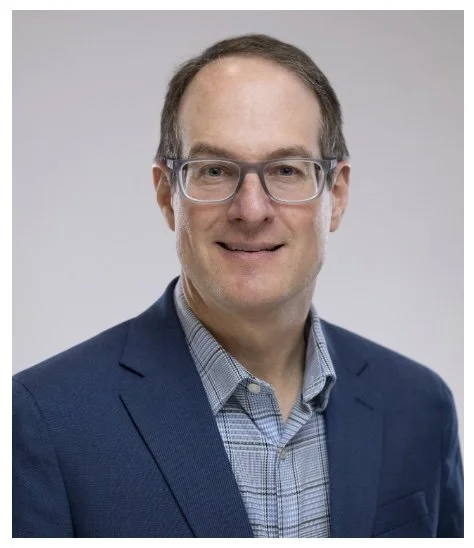
Dr. Scott Weiner- State Chair
Scott Weiner, MD, MPH, FAAEM, FACEP, FASAM, is the McGraw Distinguished Chair in the Department of Emergency Medicine at Brigham and Women's Hospital and an Associate Professor of Emergency Medicine at Harvard Medical School. He is board-certified in emergency medicine and addiction medicine. His academic work centers on improving care for patients with substance use disorders and expanding evidence-based approaches to overdose prevention in healthcare and community settings.